
33 years on, Ali Baraka says Oslo deepened the occupation, fragmented the West Bank and besieged the resistance
Baraka explained that Israeli policies in recent years have turned the West Bank into isolated cantons through settlement and the severing of links between cities and towns.
FiMED – Follow-up
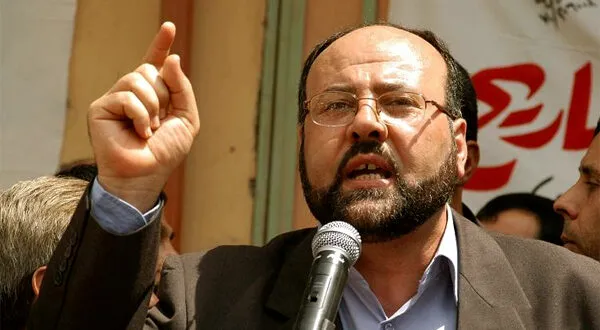
Ali Baraka, head of Hamas's National Relations Department abroad, said 33 years since the signing of the Oslo Accords have proven that the agreement did not bring freedom or independence to the Palestinian people, but turned into a track that reinforced the occupation and settlement and deepened the fragmentation of Palestinian land.
In a press statement, Baraka explained that Israeli policies in recent years have turned the West Bank into isolated cantons through settlement and the severing of links between cities and towns, alongside escalating Judaisation and incursions in Jerusalem and Al-Aqsa Mosque, and the continuing war, siege and starvation in the Gaza Strip.
A "transitional phase" that ended in entrenching the occupation
Baraka noted that Oslo was presented as a five-year interim agreement paving the way for a Palestinian state and a solution to the refugee issue, but that period ended without a state being established or the right of return being realised.
He added that the path that followed the agreement contributed, in his assessment, to expanding security coordination, weakening the Palestinian national position and besieging the resistance forces, while Israel continued to expand settlement and impose new facts on the ground.
Criticism of unilateralism and monopolising representation
The Hamas official warned against the continuation of what he called "the approach of unilateralism, exclusion and monopolising Palestinian representation", arguing that excluding the resistance forces and national figures opposed to the Oslo track reproduces the mistakes that weakened the Palestinian cause.
He called for rebuilding the Palestine Liberation Organization on democratic foundations through free, fair and direct elections, with the participation of all forces, factions and components of the Palestinian people at home and abroad.
Baraka stressed the need to put the national interest first in confronting occupation, settlement, displacement and Judaisation, and to defend Jerusalem, Al-Aqsa Mosque and Islamic and Christian holy sites, as well as to stop the aggression on and lift the siege of the Gaza Strip.
He affirmed that national unity, political partnership and democratic representation, not exclusion or unilateralism, are in his view the way to protect the Palestinian national project and restore rights, foremost among them the right to self-determination, the establishment of a Palestinian state with Jerusalem as its capital, and the refugees' right of return.
33 years since the Oslo Accords
The Oslo Accords were signed on 13 September 1993 at the White House in Washington between the Palestine Liberation Organization and the Israeli government, under US sponsorship and Norwegian mediation, following secret negotiations hosted by the Norwegian capital, Oslo.
The agreement provided for mutual recognition and the establishment of an interim Palestinian authority for five years in the West Bank and the Gaza Strip, with a gradual Israeli withdrawal from some areas, and postponed final-status issues, including Jerusalem, refugees, borders and settlements, to later negotiations.
Thirty-three years later, final-status issues remain unresolved, while the Palestinian territories have seen expanding settlement and growing geographic fragmentation, as Baraka pointed out.