
Gaza: Only 209 patients left for treatment in October
The Health Ministry in Gaza announces that only 209 patients and wounded people were able to leave for treatment abroad during October, while 21,468 cases await travel, including 6,430 with medical priority.
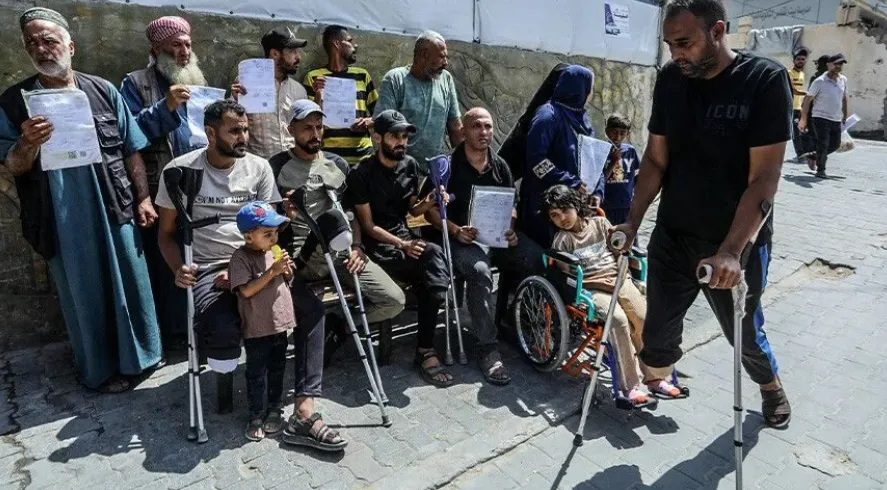
Gaza- FiMED
Thousands of patients and wounded people in the Gaza Strip face the risk of their health conditions deteriorating, amid continued Israeli restrictions on medical evacuation and the limited number of people leaving to receive treatment outside the Strip, as only 209 patients and wounded people were able to travel during last October, despite the scale of medical needs and the shortage of treatment capacity inside the Strip.
The Palestinian Health Ministry in Gaza said in a statement issued on Wednesday evening that only 209 patients and wounded people were able to leave the Strip for treatment abroad during October, over just seven days out of 17 days on which travel was possible.
The ministry stressed that these numbers do not match the scale of the health catastrophe in Gaza, noting that Israeli restrictions and delays in evacuation procedures are besieging thousands of critical cases and exposing the lives of patients and wounded people to direct risks, given their need for medical interventions unavailable inside the Strip.
It warned that the irregular opening of crossings and delays in issuing approvals are turning medical evacuation into a race against time, in which patients may lose their chance to survive or receive the necessary treatment. It demanded serious pressure to remove the restrictions and open the crossings permanently and regularly, ensuring that cases needing treatment outside Gaza can leave.
More than 21,000 cases on waiting lists
In an indication of the widening gap between medical needs and evacuation capacity, the Medical Referrals Committee at the Health Ministry revealed days ago that the total number of patients and wounded people able to leave Gaza for treatment abroad has reached 3,056 cases since February 2026.
The committee explained that 2,614 patients and wounded people left via the Rafah land crossing in the southern Strip, while another 442 were able to travel via the Kerem Abu Salem crossing in the southeast.
On the other hand, about 21,468 patients and wounded people remain on travel waiting lists to receive urgent treatment abroad, including 6,430 cases that are eligible and have priority for medical evacuation, reflecting the scale of the failure to respond to accumulated health needs.
Partial opening of crossings does not meet needs
The Rafah crossing had been partially reopened in early February 2026, under Israeli conditions and security approvals, as part of the second phase of the ceasefire agreement that took effect in October 2025.
However, its continued limited and irregular operation, according to data announced by the Health Ministry, has not translated into sufficient capacity to evacuate the large numbers of patients and wounded people, especially cases requiring specialized surgery or treatments unavailable in the Strip's hospitals.
The figures reveal a wide gap between the number of people needing treatment outside Gaza and the numbers able to leave, at a time when pressures continue on the health system, which is suffering from shortages of medicines and medical supplies and a decline in the operating capacity of health facilities.
While more than 21,000 patients and wounded people await a chance to travel, the speed of opening crossings and facilitating evacuation procedures remains a decisive factor in saving the lives of critical cases and preventing the deterioration of thousands of patients' conditions.