
Despite the assassination of al-Deif and his comrades, "Ma Khafi A'zam" brings October 7 nightmares back to Israel
How did Walla, The Jerusalem Post, The Times of Israel and Israel Hayom cover the documents and recordings of Mohammed Deif and the Qassam commanders aired by "Ma Khafi A'zam"?
Special report - FiMED
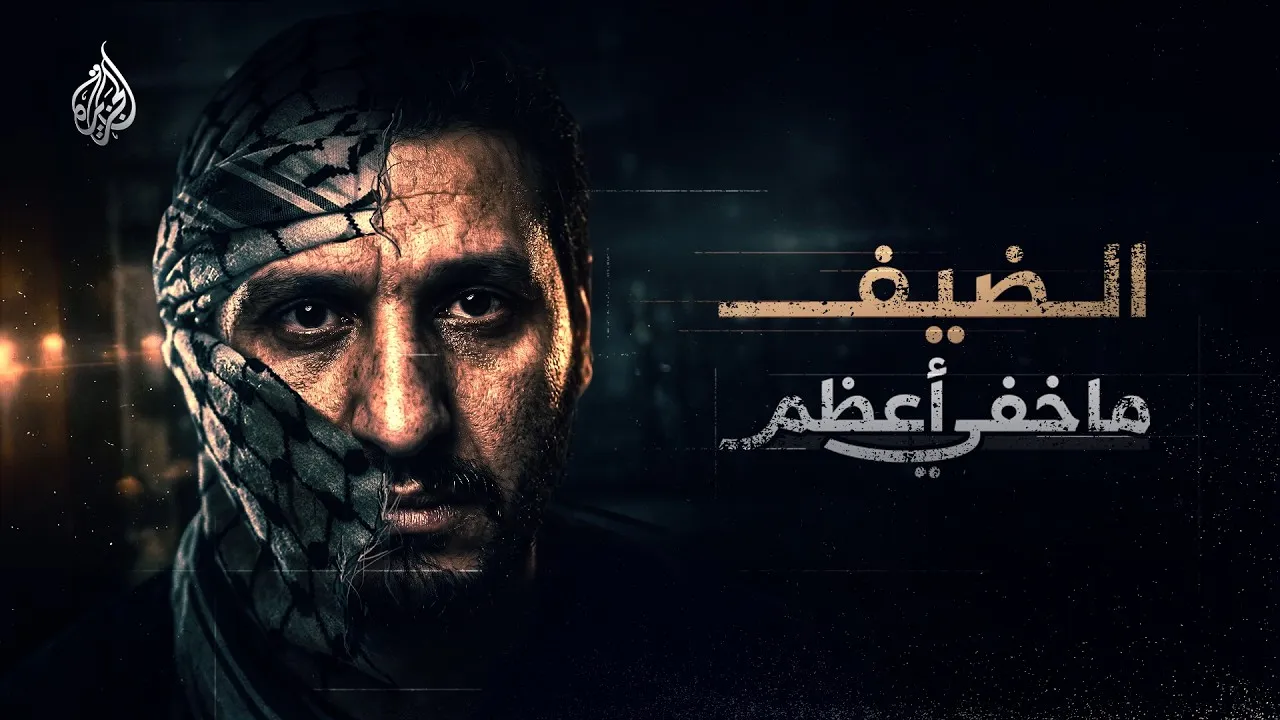
The documents and video recordings aired by the Al Jazeera program "Ma Khafi A'zam" on Friday evening drew the attention of Israeli media, which focused on the rare footage of Mohammed Deif and the commanders of the Qassam Brigades, and on the documents that Al Jazeera said chronicle the stages of planning for the attack of October 7, 2023.
Israeli coverage was divided between presenting the details of the filmed material shown for the first time and dwelling on the documents dealing with the deliberations preceding the attack, especially a document dated October 5, 2023, which Al Jazeera said contains an operational order issued by Deif two days before the attack.
A review of the coverage shows that the Israeli media treated the episode primarily as material relating to Hamas's military preparations and the behind-the-scenes of the October 7 attack, with particular interest in the appearance of a number of commanders whom Israel later assassinated.
Walla: Rare recordings reveal Hamas's preparations for the October 7 attack
The Israeli news site "Walla" published a report titled "Rare recordings of Mohammed Deif revealed: This is how Hamas prepared for the October 7 massacre," in which it addressed the archival recordings broadcast by Al Jazeera and the meetings in which the leaders of Hamas's military wing appeared inside tunnels.
The report, published by Amit Avitan on the evening of October 30, noted that the episode showed scenes of military meetings that preceded the attack, alongside recordings in which Deif appears inside a tunnel during the war, and documents that Al Jazeera said reveal the stages of preparation for the operation.
The site also highlighted scenes of Deif with prominent leaders, including Yahya Sinwar and Ismail Haniyeh, inside a rocket-manufacturing workshop, as well as footage of meetings that included a number of Qassam commanders.
The report dwelt on a document dated October 5, 2023, which Al Jazeera presented as an operational order signed by Deif following a meeting that lasted six hours; the program said the document set 6:30 a.m. as the time for the attack to begin.
Walla's treatment stands out for its focus on the operational aspect of the recordings and its attempt to link the scenes shown in the investigation to the military preparations preceding the attack.
The Jerusalem Post: Documents address the operation order two days before the attack
For its part, "The Jerusalem Post" published a report titled "Al Jazeera airs rare recordings of Mohammed Deif and documents detailing October 7 attack plans," addressing the filmed material and documents presented by the investigation.
The report, published on October 31, focused on scenes of Qassam commanders inside tunnels, Deif's appearance during military meetings, and the recording that brought him together with Sinwar in the aftermath of the May 2021 confrontation.
The newspaper devoted space to the document dated October 5, 2023, which Al Jazeera said contains an operational order issued by Deif, as well as another document dating to February of the same year concerning deliberations within the military leadership over preparation for the attack.
The significance of this coverage lies in the fact that it shifted its focus from Deif's personal recordings to the documents dealing with the chronology of military decisions, while highlighting the difference between the meetings preceding the operation and the decision that Al Jazeera said was issued two days before it was carried out.
The Times of Israel: Scenes bringing together Qassam commanders whom Israel assassinated
ثالثًا: القراءة السياسية للوثيقة: انفردت «إسرائيل هيوم» بمعالجة الوثيقة في إطار نقاش سياسي وأمني حول رواية الهجوم، قبل أن تعود التغطيات اللاحقة إلى التركيز على المحتوى العسكري والتسجيلات.
وتشير هذه الاختلافات إلى أن الحلقة لم تُقرأ في إسرائيل بوصفها مادة وثائقية فقط، بل تحولت إلى نقطة التقاء لأسئلة تتعلق بالمسؤولية والرواية والتوقيت، وهو ما يعكس حجم الجدل الذي أثارته قبل عرضها وبعده.
وفي المجمل، يمكن القول إن تغطية الإعلام العبري للحلقة جاءت متعددة الزوايا، لكنها ظلت جميعًا تدور في فلك السؤال نفسه: ماذا تعني هذه الوثائق والتسجيلات بالنسبة لفهم ما جرى قبل 7 أكتوبر/تشرين الأول وبعده؟
Third: Framing the documents politically and security-wise: This trend appeared most clearly in «Israel Hayom», which addressed the February 2023 document before the episode was broadcast, and discussed its implications in the context of the debate over the motives behind the October 7 attack.
The Israeli focus on the recordings of Mohammed Deif and his comrades, despite the martyrdom of a number of the most prominent Qassam leaders who appeared in them, reveals that the interest is not merely in archival footage of prominent military figures, but in an attempt to understand the leadership mind that planned the October 7 attack, and to reconstruct the details of what happened before and during the attack.
The emergence of these documents brings back to the fore Israeli questions about the intelligence and military failure that allowed the attack to occur, and the extent of the responsibility of the political and military leaderships for failing to detect or prevent the preparations. It also reinforces the need inside Israel to open a genuine, independent and comprehensive investigation into the events of October 7, one that goes beyond limited military investigations, exposes shortcomings and the responsibilities of decision-makers, and answers the questions that still haunt the Israeli security establishment despite more than three years having passed since the attack.