
From settlement goods to football: Israel-Netherlands dispute escalates
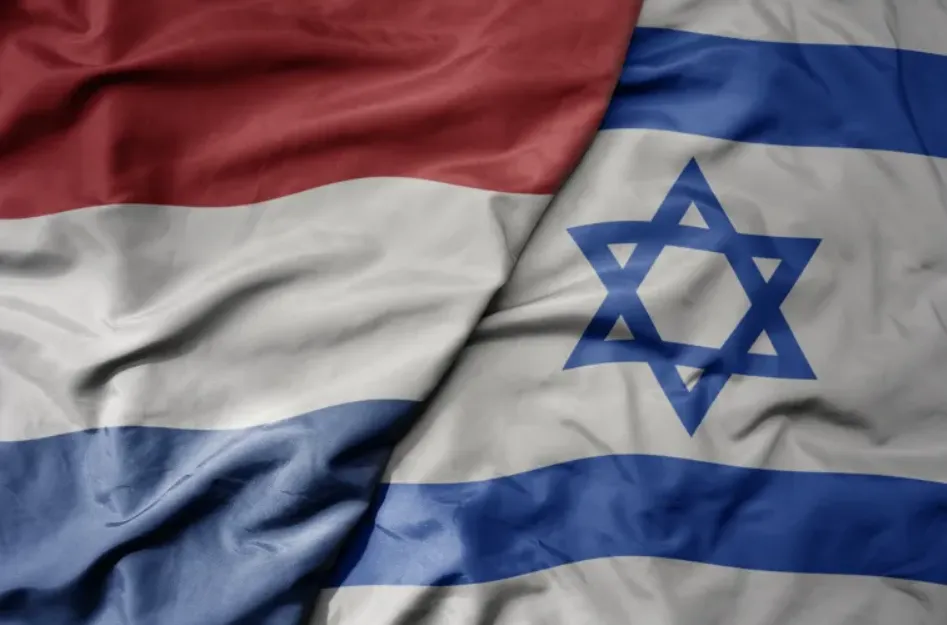
The dispute between Israel and the Netherlands is escalating over the ban on settlement products, the barring of an Israeli team's fans from attending a European match, and the Netherlands' boycott of Eurovision 2027.
Follow-ups - FiMED
Israel has escalated its attack on the Netherlands after the authorities of the city of Alkmaar upheld a decision barring fans of Hapoel Be'er Sheva from attending its match against AZ Alkmaar in the Europa League, scheduled for 15 October, citing security concerns and the possibility of protests and confrontations.
The Israeli Foreign Ministry accused the Dutch authorities of punishing the fans instead of pursuing those responsible for the violence, described the decision as contradicting the spirit of sport, and linked it to what it claims is a rise in antisemitism in the Netherlands.
The escalation came after Israeli diplomatic efforts to overturn the ban failed, despite Foreign Minister Gideon Sa'ar raising the issue with his Dutch counterpart Tom Berendsen and contacts with the Dutch Foreign Ministry and the Alkmaar municipality. No immediate Dutch response to the Israeli accusations was issued.
From the Amsterdam events to the Eurovision boycott»
The disagreements between the Netherlands and Israel are not limited to a football match, but come amid a broader deterioration in relations against the backdrop of the war on Gaza and its political and cultural repercussions.
First - The Amsterdam events in November 2024: the city witnessed tensions and assaults linked to the Ajax-Maccabi Tel Aviv match, including the targeting of Israeli fans, amid reports of anti-Arab and anti-Palestinian chants by some Israeli fans before the match, and the Alkmaar municipality cited these events among the factors it took into account when assessing the security risks of the new match.
Second - The Eurovision boycott in 2026 and 2027: the Dutch broadcaster «AVROTROS» announced in August 2026 that it would not take part in the 2027 Eurovision Song Contest because of Israel's continued participation amid the war on Gaza, saying the regional conflict had harmed the neutrality the contest is supposed to enjoy and that the changes announced by the organiser had not dispelled its concerns.
Third - The widening dispute over the war on Gaza: Israeli participation in European sporting and cultural events has become the subject of growing political and institutional debate, between parties demanding the separation of sport and politics and others who believe that the continuation of the war and the accompanying human suffering justify protest positions and boycotts.
Settlement product ban deepens the dispute
Tensions between the Netherlands and Israel have also worsened over the Dutch government's decision to ban the import, purchase and sale of products coming from illegal Israeli settlements in the occupied Palestinian territories, as of 22 September 2026. The decision also includes preventing circumvention of the ban and the provision of commercial brokerage services linked to these products.
The Dutch government says the settlements and their expansion violate international law, and that the measures aim to prevent trade from contributing to entrenching this situation, stressing that they do not constitute a blanket ban on Israeli products but are limited to goods of settlement origin.
The decision provoked an Israeli response; on 27 September, Israel announced the withdrawal of diplomatic status from Dutch diplomats working at the Dutch representation office to the Palestinian Authority in Ramallah, a step it linked directly to the settlement product ban. This reveals that the dispute between the two sides goes beyond the football fans issue and the Eurovision contest to a broader political and economic dispute over the settlements and the war on Gaza.
The current crisis reveals a shift in the dispute from political and diplomatic positions to practical decisions affecting the participation of Israeli teams and fans in European events.