
A year into the Gaza ceasefire: 20,000 patients wait for treatment as 1,344 die since the guns fell silent
A year after the ceasefire in Gaza, 20,719 patients and wounded people are waiting for treatment outside the Strip, amid the destruction of hospitals and the deaths of more than 1,344 cases while awaiting treatment.
Follow-ups – FiMED
A year after the ceasefire agreement in the Gaza Strip, the health system is still groaning under the weight of destruction and an acute shortage of medicines and medical supplies, while more than 20,000 patients and wounded people await a chance to receive treatment outside the Strip, amid Israeli restrictions on travel through the crossings, according to data from the Palestinian Ministry of Health and remarks by the director of the Shifa Medical Complex, Mohammed Abu Selmiya, to the Anadolu Agency.
While the agreement was supposed to open a window to alleviate the humanitarian catastrophe, waiting for treatment has turned into a direct threat to the lives of thousands of patients and wounded people, with Abu Selmiya announcing the deaths of more than 1,344 patients and wounded since the agreement took effect on 10 October 2025.
1,344 deaths.. when waiting for treatment becomes a lethal risk
The director of the Shifa Medical Complex, Mohammed Abu Selmiya, said in remarks to the Anadolu Agency that more than 1,344 patients and wounded people have died since the ceasefire took effect, among them children, women and the elderly, especially patients with cancer, heart disease, blood diseases and kidney failure.
Abu Selmiya stressed that the agreement has not achieved a real breakthrough in the health and humanitarian situation, pointing to the continuation of Israeli attacks and the new victims they have left behind, at a time when hospitals are unable to provide specialised treatment services for a large number of cases.
These figures reveal another face of the catastrophe in Gaza; the danger is not limited to shelling and destruction, but extends to patients whose chances of recovery diminish the longer evacuation is delayed or the longer they are unable to obtain the necessary treatment inside the Strip.
Rafah crossing.. a limited opening and restrictions hindering patients' travel
Although facilitating the exit of patients and wounded people for treatment outside Gaza was tied to the humanitarian obligations of the agreement, the implementation of this step was delayed for months, before the Palestinian side of the Rafah crossing was reopened on a limited basis on 2 February 2026, according to the report.
Since then, the movement of patients leaving has remained limited, amid complaints of lengthy inspection and interrogation procedures, according to what Anadolu reported.
Abu Selmiya said that Israel has reduced the number of days for the travel of patients and wounded people from five days a week, under the mechanism he described, to only three days, considering that the numbers allowed to leave do not meet the accumulated medical needs.
He added that more than 20,000 patients and wounded people need treatment outside the Strip, calling on Arab countries and mediators to exert serious pressure to open the crossings and bring in medicines and medical supplies.
20,719 patients and wounded people on waiting lists
According to a statistic from the Palestinian Ministry of Health cited by Anadolu, the number of patients and wounded people registered on waiting lists to travel for treatment reached 20,719, among them 6,052 cases classified as priorities, about 5,000 children, and nearly 1,800 elderly people.
Ministry data showed that the total number of patients and wounded people who left the Strip for treatment between 2 February and 2 September 2026 was only 2,480, an average of about 12 people per day.
These figures highlight the gap between the scale of medical needs and patients' ability to reach treatment outside Gaza, at a time when many of the wounded need advanced surgery or specialised treatment programmes that local hospitals can no longer provide.
Destroyed hospitals and absent specialised services
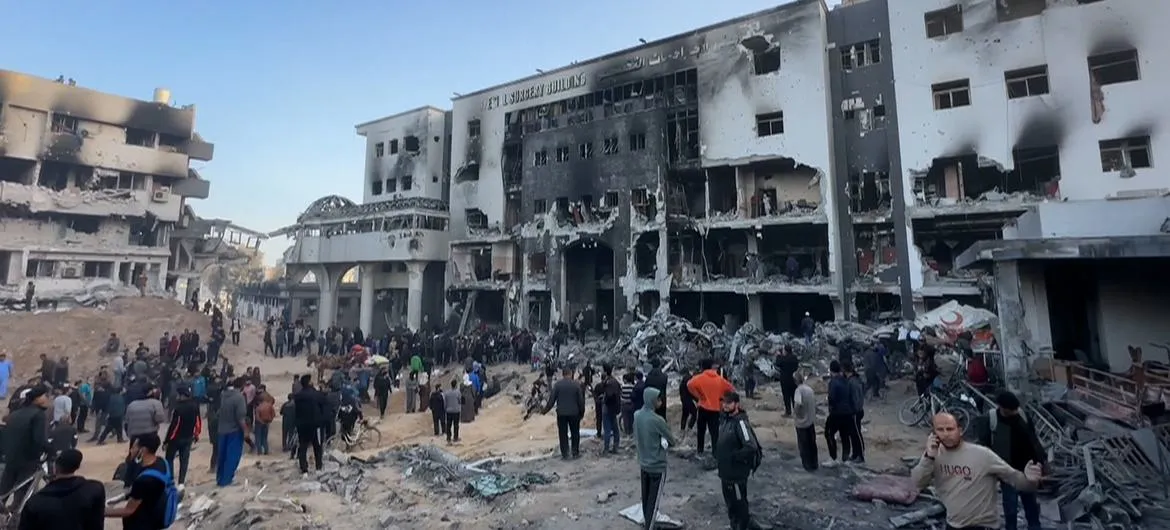
The health system in Gaza is facing a protracted crisis as a result of the targeting of medical facilities and the destruction of large parts of them, alongside a shortage of equipment, medicines and staff.
According to data from the Palestinian Ministry of Health, the war has forced 25 of 38 hospitals out of service, while 13 hospitals remain partially operational under extremely difficult conditions. Additionally, 103 of 157 primary healthcare centers have been destroyed, while the remaining centers operate partially..
The effects of this collapse are not limited to cases requiring immediate treatment; hospitals are unable to perform a number of specialized surgeries in neurosurgery, cardiovascular, urology, orthopedics, and ophthalmology, in addition to providing specialized treatments for oncology, kidney diseases, and pediatric internal medicine..
This means that thousands of patients face the risk of their health condition deteriorating, not only due to the nature of the disease itself, but also as a result of the absence of treatment and delays in accessing appropriate care..
Medication shortage threatening patients' lives
On August 3, 2026, the Palestinian Ministry of Health warned of the continued acute shortage of medicines, medical consumables, and laboratory testing materials, describing its effects as a «silent extermination» that is claiming more patients' lives.
According to the ministry's data cited in the report, the medication shortage reached 47%, while the shortage in medical consumables reached 58%, and in laboratory testing materials 85%.
Cancer and blood disease medications recorded a shortage of 61%, while the shortage in primary healthcare medications reached 55%, kidney and hemodialysis medications about 46%, mental health and neurology medications 35%, emergency and intensive care medications 33%, and surgical supplies 39%.
The ministry warned that the interruption of medications and the disruption of treatment protocols threaten patients' lives and undermine the ability of medical teams to save critical cases and provide necessary care to other patients.
A truce that did not end the health catastrophe
One year after the ceasefire, health and humanitarian indicators in Gaza still reflect the gap between the announcement of the truce and the achievement of actual protection for the population. Thousands of patients are waiting to travel, hospitals are operating with limited capabilities, and essential medicines are not available in sufficient quantities, while the repercussions of the destruction that struck the health sector during the war continue.
The impact of the truce cannot be measured merely by the decline in large-scale military operations or the partial opening of crossings, as long as critical cases are unable to access treatment, and as long as the needs for rehabilitating hospitals and providing medicines and medical equipment remain far from adequate fulfillment.
In light of these facts, the international response appears to be required to go beyond promises and understandings to concrete steps that ensure the opening of crossings for patients and the wounded, the flow of medicines and medical supplies, the rehabilitation of the health system, and the securing of Gaza residents' right to treatment and life.