Rotterdam Document: No representation without elections, Palestinians in the Netherlands reject appointment
At the close of the meeting, participants stressed that the current stage the Palestinian people are going through requires rebuilding national decision-making on democratic and representative foundations and strengthening unity.
FiMED – Follow-up
A broad spectrum of Palestinians in the Netherlands has rejected the adoption of electoral colleges as a substitute for direct elections to choose their representatives in the Palestinian National Council, affirming their right to free and democratic participation in rebuilding the Palestine Liberation Organization and its institutions.
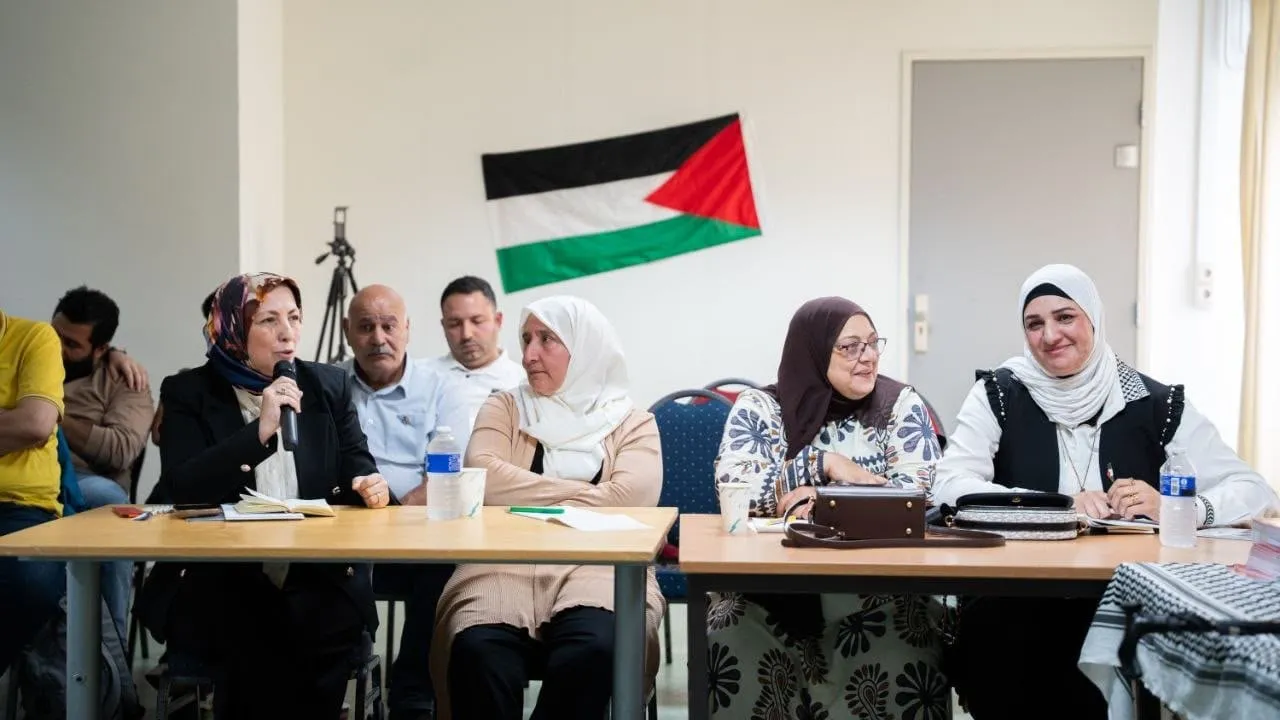
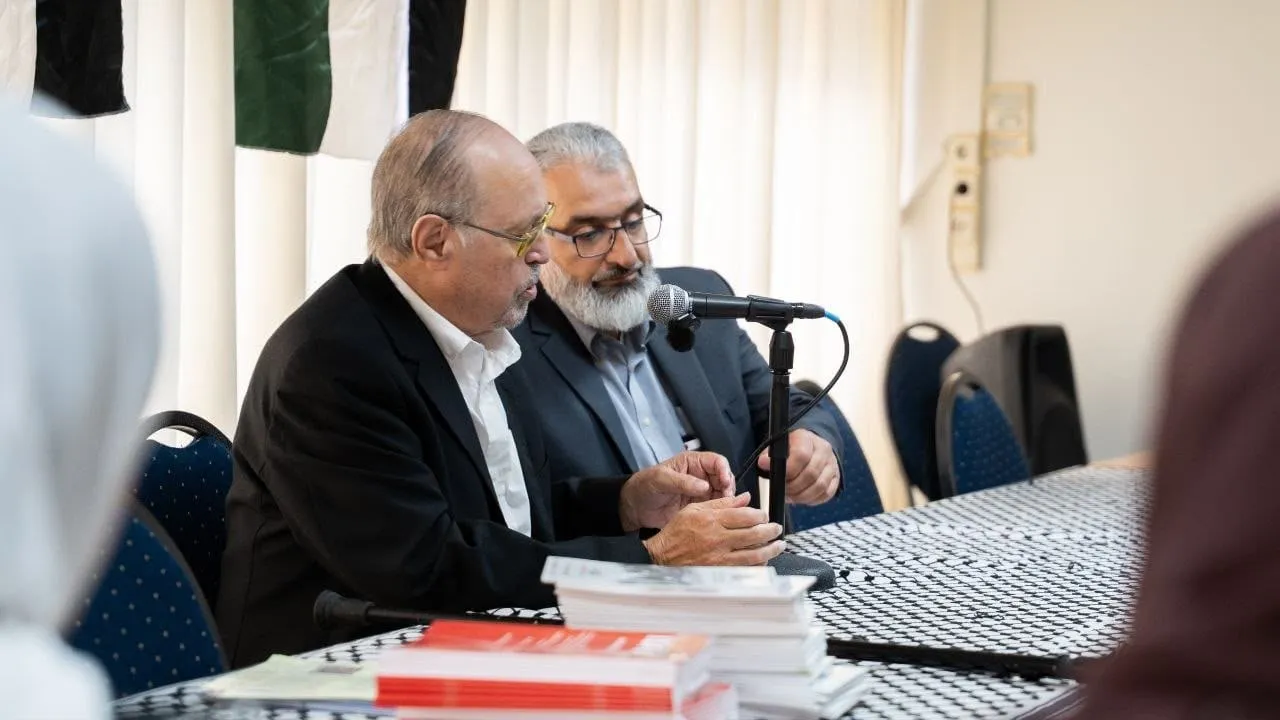
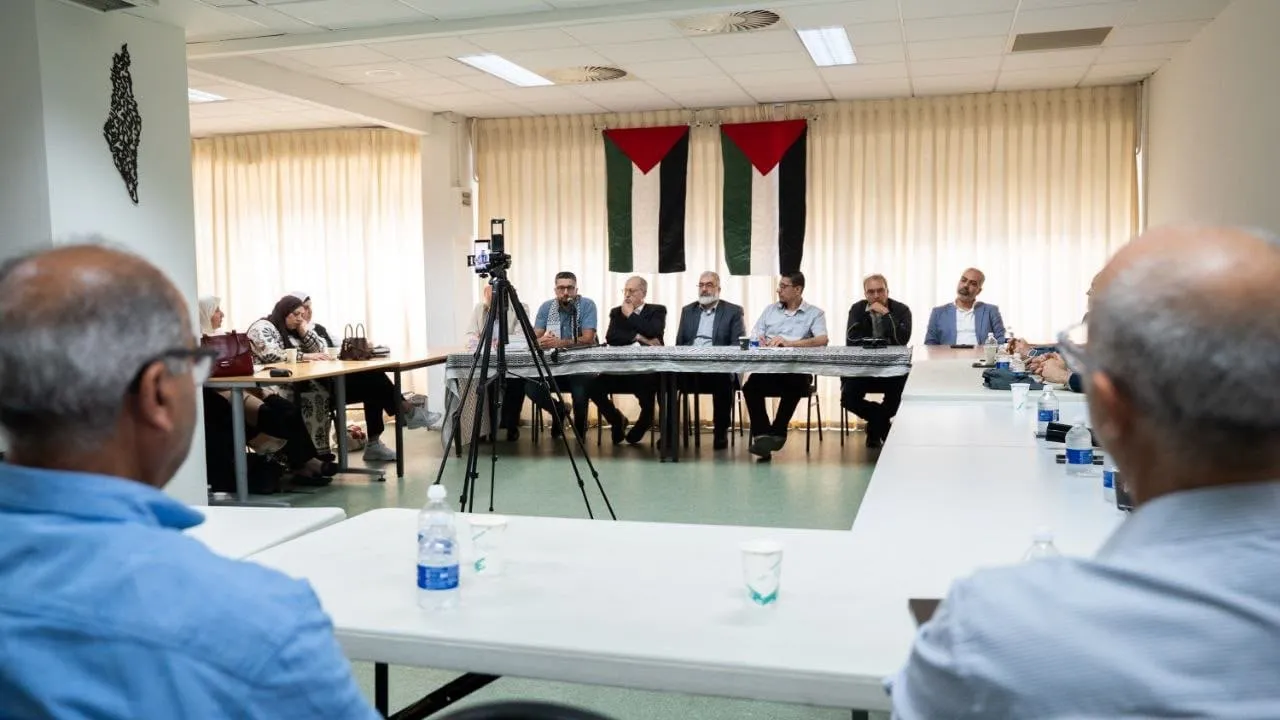
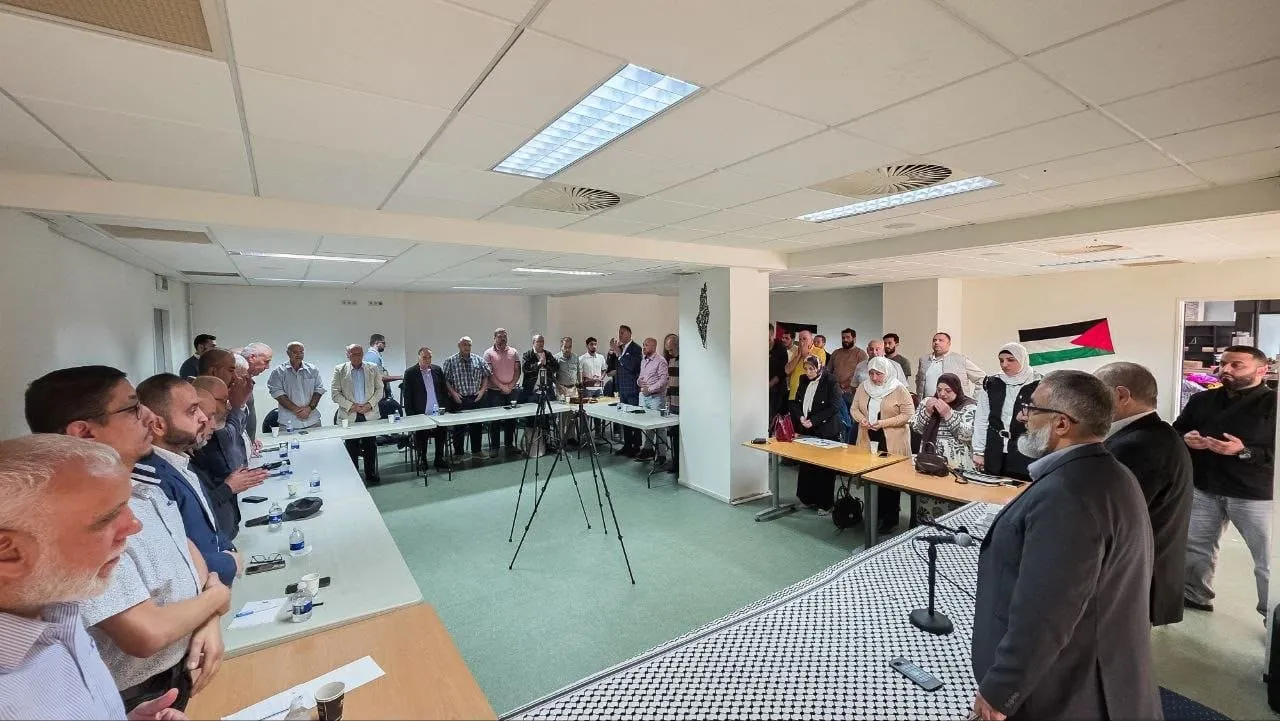
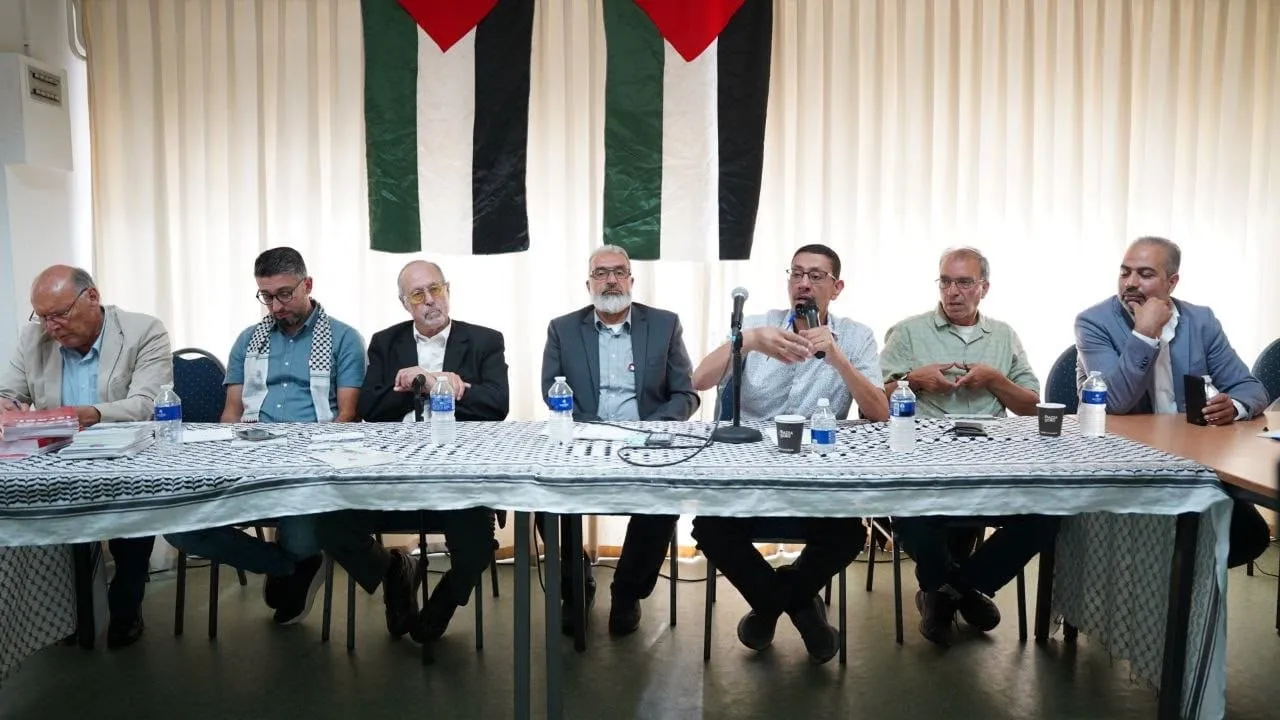
This came during a national meeting held in the city of Rotterdam at the invitation of the Palestinian House in the Netherlands, to discuss ongoing preparations for the National Council elections and ways to guarantee the participation of Palestinians in the Netherlands in rebuilding national institutions and in sharing Palestinian decision-making.
At the close of the meeting, participants stressed that the current stage the Palestinian people are going through requires rebuilding national decision-making on democratic and representative foundations, strengthening unity and activating the role of the Palestine Liberation Organization as the umbrella framework for Palestinians wherever they live.
The "Rotterdam Document" issued by the meeting emphasized the democratic and national right of Palestinians in the Netherlands to participate directly and freely in the National Council elections and to choose who represents them, describing this right as "inherent" and one that may not be confiscated or diminished in any form.
Those gathered categorically rejected electoral colleges as a substitute for free and direct elections, warning that adopting them would deprive Palestinians of the right to choose their representatives and deepen the crisis of Palestinian national action rather than address it.
The document also rejected any electoral college selected in the Netherlands without a clear democratic mandate, stressing that it does not represent the true will of Palestinians in the Netherlands and that bypassing their right to direct elections amounts to marginalizing and excluding them from the process of rebuilding national institutions.
Participants demanded that the National Council elections be free, direct, democratic and transparent, ensuring the representation of Palestinians wherever they live and contributing to rebuilding the Palestine Liberation Organization and its institutions on more inclusive and representative foundations.
At the end of the meeting, those gathered announced the formation of the "Forum of Palestinians in the Netherlands" to continue national coordination and dialogue and to strengthen cooperation among Palestinians in the Netherlands on national issues.
The rejection of appointment and electoral colleges voiced in Rotterdam does not stand apart from earlier positions of Palestinians abroad; the Conference of Palestinians in Türkiye called for comprehensive and free elections, greater representation of diaspora Palestinians in the National Council, and rejection of the principle of appointment.
The Conference of Palestinians in Europe likewise announced its rejection of appointing Palestinian representatives to the National Council, demanding free elections that allow Palestinians in Europe to choose who represents them.
These positions reflect a growing trend among Palestinian institutions abroad to insist that diaspora representation is not granted by appointment nor imposed through closed colleges, but derives its legitimacy from direct elections and the popular will.